
What does luxury feel like when it is more about ease than spectacle? In Saratoga, it often looks like tree-lined streets, afternoons shaped by gardens and galleries, and evenings that can end with a tasting, a concert, or a quiet dinner in the Village. If you are exploring Saratoga as a place to live, this guide will help you understand how the city’s arts scene, wine culture, and semi-rural character come together to create a distinctly relaxed lifestyle. Let’s dive in.
Saratoga Lifestyle at a Glance
Saratoga is a residential community in Santa Clara County with a 2025 population estimate of 30,418. City materials describe it as a place known for its semi-rural ambiance and distinctive character, with residential areas making up about 98% of the city.
That balance matters if you are thinking about a move here. You get a setting that feels calm and established, while still having everyday access to dining, shops, galleries, coffee houses, parks, and trails centered around the historic Village on Big Basin Way.
Arts Shape Daily Life
One of Saratoga’s strongest lifestyle advantages is how naturally the arts fit into daily routines. This is not a place where culture feels separate from home life. It is woven into the landscape, public spaces, and local calendar.
For many people, Montalvo Arts Center is the clearest example. Set on a 175-acre site in the foothills above Saratoga, it includes a historic villa, artist residences, performance and exhibition venues, gardens, and hiking trails. That mix gives you more than a single destination. It creates a place where art, architecture, and open space all work together.
Hakone Gardens adds another layer to Saratoga’s cultural identity. The grounds span 18 acres and are recognized by the city as one of the oldest Japanese estate, retreat, and garden properties in the Western Hemisphere. In addition to its gardens, Hakone hosts cultural events and rotating art exhibits in the Cultural Exchange Center.
Public art also has a visible role in town. Saratoga’s Library & Public Art Commission advises the city on public art and cultural programs, and the Gateway Sculpture Loan Program placed new works at prominent locations around town, with current installations on loan through November 2026.
Wine Culture Feels Local and Social
Saratoga’s wine identity is less about flash and more about setting, tradition, and a strong sense of place. You see it in the foothill vineyards, in the Village tasting rooms, and in the way wine shows up at community events.
The Mountain Winery is closely associated with the Saratoga lifestyle, even though the city notes the property sits just outside city limits in unincorporated Santa Clara County. The historic vineyard in the foothills includes a tasting room, event spaces, and a concert bowl with a concert season that began in 1958. For many buyers, that combination of views, wine, and live performance helps define the area’s appeal.
Within Saratoga’s current wine landscape, the Chamber lists several destinations tied to local tasting and vineyard experiences. These include Roudon-Smith in the Village, Mount Eden Vineyards with appointment-only tastings on Mount Eden Road, and Cooper-Garrod at Garrod Farms, which combines estate-grown vineyards with certified organic and sustainable farming, patio tastings, and horseback riding.
Wine is also part of Saratoga’s social rhythm. The city calendar lists the Saratoga Spring Wine Experience in Historic Saratoga Village, and the Chamber’s Saratoga Nights series brings live music, wine and beer gardens, local food, and a downtown atmosphere from May through October.
The Village Anchors the Experience
For a city with a quiet residential feel, Saratoga Village plays an outsized role in everyday lifestyle. It is where many of the city’s social and cultural moments come together, from dining and coffee to gallery visits and seasonal events.
The city has also taken steps to preserve that character. Saratoga adopted Village Design Standards on April 1, 2026 to help maintain the historic character of Saratoga Village. For buyers and owners, that signals an ongoing commitment to the visual identity and pedestrian-friendly feel that make the area so appealing.
The Village also supports the wine experience directly. Tasting rooms are a permitted use there, and the city installed wine trail signage in and around Saratoga to help people find local wineries.
Open Space Supports a Slower Pace
A big part of Saratoga’s appeal is what is not overbuilt. The city maintains roughly 189 acres of parks along with its trail network, including Joe’s Trail and the Saratoga to the Sea project. The General Plan also identifies dedicated open-space lands and easements, Williamson Act land, and private open spaces such as Villa Montalvo and Saratoga Country Club.
That open-space framework helps Saratoga feel more relaxed than many nearby Silicon Valley communities. You are not just buying a home. You are buying into a setting where hillsides, trails, mature landscapes, and preserved land shape the experience of daily life.
Saratoga’s Heritage Orchard adds a meaningful connection to the city’s earlier agricultural identity. The city says Saratoga began as a frontier town and agricultural hub with orchards and vineyards, and the Heritage Orchard remains one of the few orchards left in the Bay Area. Residents can even take part in city-sanctioned harvest programs there.
What This Means for Homes
Saratoga’s lifestyle naturally connects to the kinds of properties that tend to thrive here. Census QuickFacts show an owner-occupied housing rate of 86.4%, a median owner-occupied home value of $2,000,000+, a median household income of $250,000+, and per capita income of $124,686.
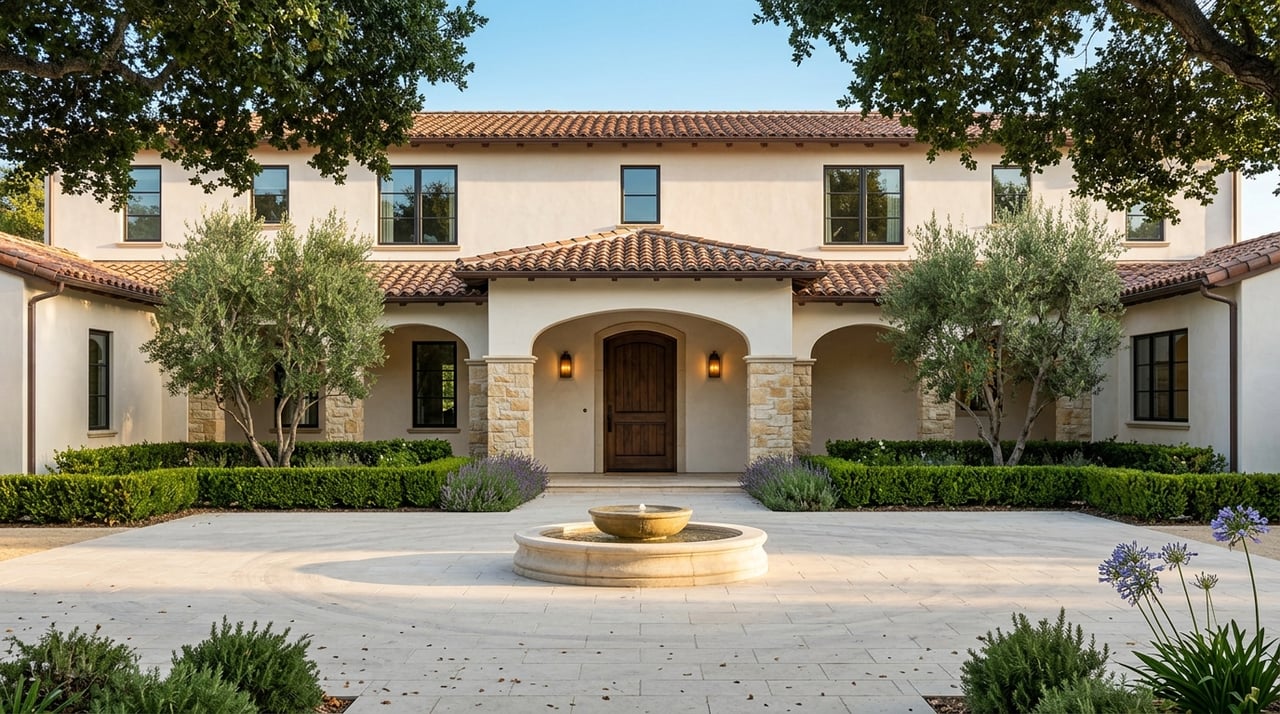
Those figures reflect a market where ownership is the norm and where homes often serve as long-term retreats. In practical terms, Saratoga tends to reward properties that offer privacy, mature landscaping, generous outdoor space, and room for gathering or quiet retreat.
That does not mean every home must be an estate. It means the lifestyle often favors features like garden space, outdoor entertaining areas, guest accommodations, and thoughtful site planning. In a market like this, design and land use matter as much as square footage.
Ownership Here Is Hands-On
Relaxed luxury still comes with responsibility. In Saratoga, that is especially true for hillside and estate properties where land stewardship is part of ownership.
The city says Saratoga is one of six Santa Clara County communities with CAL FIRE Very High Fire Hazard Severity zones, and the Wildland Urban Interface covers the western hillsides. The city also requires defensible-space and brush-management practices in those areas, and updated tree regulations took effect on March 6, 2026.
If you are considering a larger parcel or a hillside home, it helps to understand this from the start. Maintenance, landscaping choices, and fire readiness are not side issues. They are part of how you protect both the property and the lifestyle that comes with it.
Selective Change, Preserved Character
Saratoga is not standing still, but its approach to change is measured. City policies show an effort to preserve local character while allowing selective updates and added flexibility in some cases.
For example, the city encourages consolidation of parcels smaller than one-half acre in certain zones. Saratoga’s ADU rules also allow one attached ADU, two attached JADUs, and one detached ADU on qualifying single-family lots.
For homeowners, that can create useful options depending on the property. Guest space, extended household use, or long-range planning may all become part of the conversation, especially on larger sites where privacy and layout support those additions.
Why Saratoga Appeals to Luxury Buyers
Saratoga attracts buyers who want refinement without a high-profile pace. The city’s appeal is not built around density or constant activity. It is built around beauty, privacy, culture, and the confidence that comes from a deeply residential setting.
You may find that the strongest draw is how complete the lifestyle feels. A morning walk on local trails, an afternoon visit to Hakone or Montalvo, a tasting in the Village, and a home that feels tucked away from the rush all fit together naturally here.
For sellers, this matters too. Buyers are not only evaluating a house in Saratoga. They are evaluating how that property connects to a broader lifestyle defined by land, aesthetics, access to culture, and a quieter form of luxury.
If you are considering a move to Saratoga, or preparing a Saratoga property for sale, a clear understanding of this lifestyle can shape better decisions from the start. For tailored guidance on positioning, property selection, or private valuation in Saratoga, connect with Stilla Raissi.
FAQs
What makes Saratoga’s lifestyle different from other Silicon Valley communities?
- Saratoga combines a predominantly residential setting, a semi-rural feel, open space, arts institutions, and local wine culture in a way that feels quieter and more retreat-oriented than many nearby communities.
What arts destinations define daily life in Saratoga?
- Montalvo Arts Center, Hakone Gardens, and Saratoga’s public art program are major parts of the city’s cultural identity, offering exhibitions, events, gardens, and visible art in public spaces.
What wineries and tasting experiences are associated with Saratoga?
- Local wine destinations listed by the Saratoga Chamber include The Mountain Winery, Roudon-Smith, Mount Eden Vineyards, and Cooper-Garrod at Garrod Farms.
What is Saratoga Village known for?
- Saratoga Village is the historic downtown core on Big Basin Way, known for dining, shops, galleries, coffee houses, and community events that anchor the city’s social life.
What should homebuyers know about owning a hillside home in Saratoga?
- Buyers should be prepared for wildfire readiness requirements, including defensible-space and brush-management practices in affected hillside and Wildland Urban Interface areas.
What types of homes fit Saratoga’s relaxed luxury lifestyle?
- Homes that offer privacy, outdoor living, mature landscaping, and flexible space for guests, gardens, or entertaining often align well with Saratoga’s setting and ownership patterns.