
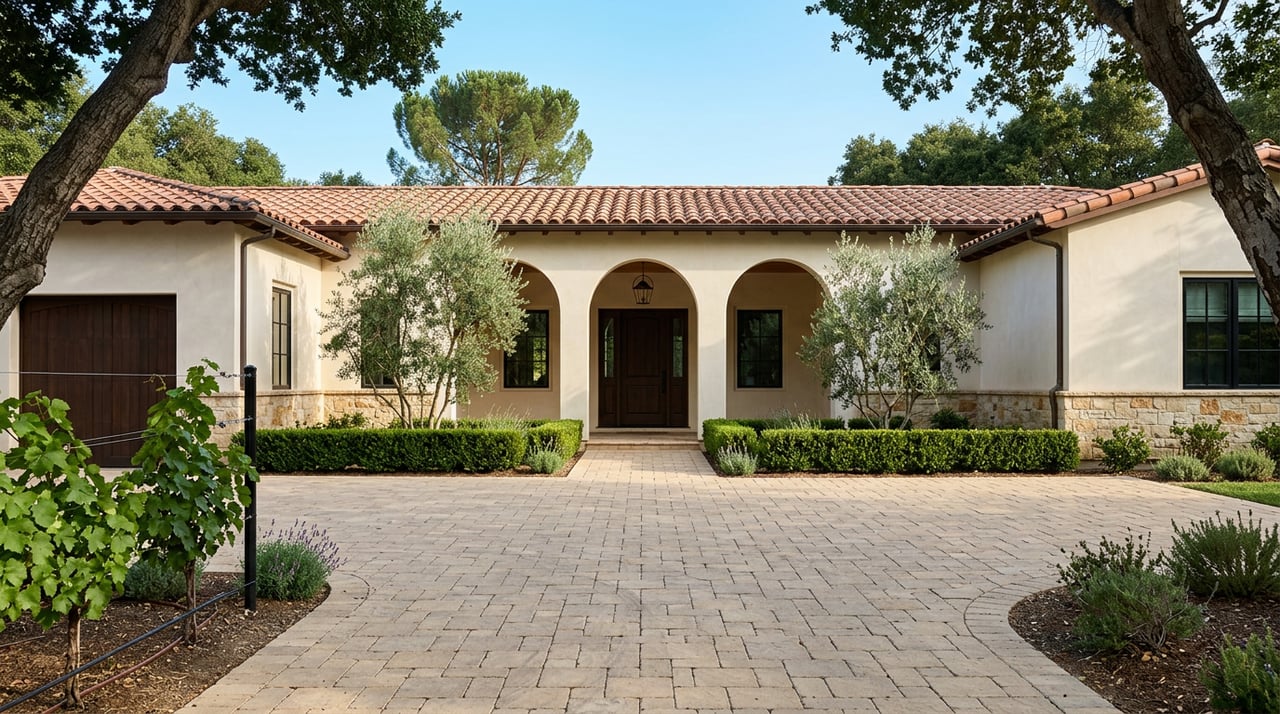
If you picture Saratoga estate living as space to breathe, vineyard rows catching late sun, and long valley views framed by oaks and redwoods, you are on the right track. You want privacy without sacrificing access to culture and trails, and you expect outdoor living to feel effortless. In this guide, you will learn how land, zoning, amenities and price bands come together on Saratoga’s estate lots so you can plan with confidence. Let’s dive in.
What defines a Saratoga estate
Estate properties in Saratoga largely start with land. Zoning and hillside rules shape where homes sit, how big they can be, and what you can add. Understanding those basics helps you evaluate privacy, potential for a guest house, and the real capacity for pools, courts, and gardens.
Zoning bands you will see
- Saratoga’s single family districts are organized by minimum lot size, such as R1-10,000, R1-20,000 and R1-40,000. The City posts the full standards, including setbacks and maximum lot coverage, on the Planning site. You can review the framework on the City’s Planning page at the Saratoga Planning Division.
- The R1-40,000 district uses a standard lot of about 40,000 square feet with defined dimensions. The district also sets a maximum lot coverage of 35 percent and ties allowable floor area to lot size. See the City’s summary for R1-40,000 in the district standards PDF.
- Larger lots and tighter coverage rules are why so many Saratoga estates present with expansive yards, longer setbacks, and room for multiple outdoor zones rather than oversized building footprints.
Hillside siting and views
- Properties in the Hillside Residential district follow additional height, ridgeline, and siting limits. These are intended to protect skylines, tree cover and view corridors, which is why you often see homes placed to preserve outlooks rather than maximize envelope. Review guidance in the City’s Hillside Residential standards.
- On the ground, that can mean a longer driveway, more separation from neighbors, and mature vegetation that screens homes from the street. Many buyers accept a bit more slope in exchange for privacy and panoramas.
Vines, gardens, and cultural anchors
Saratoga and the adjacent Santa Cruz Mountains have a deep agricultural history. While most estates today are residential first, you still find properties with small private vineyards, formal orchards, and garden structures that nod to that legacy.
- A handful of foothill estates maintain vineyard rows and winery structures as part of the property’s character. Local operations like House Family Vineyards reflect this heritage and remain part of the hillside landscape. For context on that legacy and operations, see the House Family Vineyards FAQ.
- Daily life on an estate often includes easy access to cultural and outdoor landmarks. Villa Montalvo’s grounds, performances and trails, the historic Hakone Estate & Gardens, and the regional trail systems offer a close-to-home escape that many listings highlight. Plan a visit through the Montalvo Arts Center page.
- For hiking and deeper forest settings, Sanborn County Park sits minutes away for many foothill addresses. You can preview routes and amenities on the County’s Sanborn Park page.
Outdoor amenities that shape daily life
On estate lots, outdoor living is the headline. You will see a consistent set of features across price points, then more specialization as lots get larger or views get stronger.
- Common amenities include pools and spas, covered loggias, outdoor kitchens, bocce or tennis courts, and formal terraces. Many parcels feature long private driveways and layered landscaping that frame mountain or valley views.
- Detached guest cottages or carriage houses are frequent in the mid to upper bands. Some estates include modest vineyard rows or structured orchards that reinforce the setting.
Pools and landscape ROI
In Bay Area luxury markets, pools, dramatic hardscape, and elaborate gardens are usually lifestyle choices first. Appraisal and ROI analyses point out that a permitted ADU or expanded living area often shows clearer value in resale than a pool alone. For a local perspective, see the Bay Area renovation ROI notes from Schumacher Appraisal. In practice, the premium tends to come from the package: acreage, views, guest space, and resort-level grounds working together.
Guest houses and ADUs
Saratoga allows Accessory Dwelling Units, including detached ADUs, attached ADUs, and Junior ADUs, with clear rules on size, setbacks and parking. The City outlines standards and processes on its ADU resource page. An ADU can support multigenerational living, caregiver housing, or potential income. Permitting is typically faster than a major addition or subdivision, though you should still plan for a complete building permit process.
Privacy, views, and nearby nature
Estate privacy in Saratoga usually comes from three ingredients: lot depth, mature vegetation, and setbacks. The R-1 standards and the Hillside Residential overlay require meaningful front and rear setbacks, which increase separation between homes. You can see how tree preservation and siting principles apply in the City’s Hillside Residential standards. Close access to trails and parks adds “everyday nature,” so you enjoy views and outdoor time without leaving town. The Sanborn County Park network is a prime example, detailed on the County’s Sanborn page.
Where prices land in 2026
Inventory is fluid, but a few broad tiers help you orient to Saratoga’s estate market. Citywide, the median single family sale price was about $4.17 million in January 2026. Within the estate segment, land, location, and amenity mix drive wide spreads.
- Entry to estate scale, roughly $2.5 million to $4 million: larger valley-floor lots around a quarter to three quarters of an acre, often updated ranch homes with pools and usable yards.
- Mid-estate band, about $4 million to $8 million: half-acre to one-and-a-half acres, detached guest house potential or an existing ADU, outdoor entertaining terraces, and sometimes vineyard fragments or formal gardens.
- Upper-estate band, about $8 million to $15 million: one to four acres, panoramic valley or vineyard views, purpose-built guest houses, and resort-level amenities with architectural pedigree.
- Flagship estates, $15 million and up: multi-acre gated compounds, private vineyards or vineyard-adjacent parcels, multiple outbuildings, formal gardens, and destination-quality pools and courts. These trade infrequently, and comparable data sets are thin.
Recent examples illustrate the range. Addresses like 15126 Quito Road have sold in the mid bands with guest quarters and pools, while properties near Pike Road and Hill Avenue have represented the upper tiers. At the very top, rare multi-acre compounds like those on Goetting Court headline the flagship set. Treat these as directional snapshots only, since active inventory shifts quickly.
How to read a thin market
Saratoga is a small, high-value market. A single eight-figure closing can move median or average statistics in a given month. If you are planning a purchase or sale, pair the broad tiers above with current on-market data, a fresh comp set for your micro-location, and a clear read on land and permit variables.
Permits, water, and planning basics
Before you buy or build, factor in Saratoga’s review processes. Large additions, detached ADUs over certain heights, and hillside projects may require design review and geotechnical input. The City’s Planning Division centralizes submittal steps and resources on the Planning page.
Water use is another practical layer. New or significantly renovated landscapes must meet Saratoga’s Water-Efficient Landscape Ordinance standards. Pools and large lawn areas count as higher water-use elements in the site budget, which can shape your planting palette and irrigation choices. The City’s requirements are laid out in the Water-Efficient Landscape Guidelines.
Heritage trees deserve attention too. Mature oaks and redwoods are common on estate parcels, and permits may apply if you plan changes that affect them. Confirm the rules early so you can design thoughtfully around canopy and screening.
Quick prep checklist
- Confirm your zoning district and any Hillside Residential overlay, then review setbacks, lot coverage and floor area rules for your parcel.
- Map opportunities for a detached ADU or guest cottage and verify size and setback requirements in advance.
- Budget for landscape design that meets water-efficiency thresholds and choose plantings and irrigation accordingly.
- Evaluate driveway slope, access, and utility locations. On hillside parcels, anticipate geotechnical inputs and design review.
- Document permits and approvals for past improvements like pools, guest houses, and sport courts to support valuation.
- Align upgrade plans with likely appraisal outcomes. Amenities like ADUs often show clearer value contribution than a pool on its own.
Make your Saratoga move with confidence
Saratoga’s estate lifestyle is a balance of land, architecture, and everyday connection to gardens, culture and trails. When you align zoning realities with your wish list for vines, pools, and views, you can make smart, lasting decisions. If you want a data-backed strategy paired with design-forward presentation, connect with Stilla Raissi for boutique, principal-led guidance from search and preparation through closing.
FAQs
What lot sizes define a Saratoga “estate” property?
- Many estate homes sit on approximately 0.25 to 1 or more acres, with common R-1 districts at 10,000, 20,000, and 40,000 square feet. Zoning caps lot coverage and scales floor area by lot size. See standards on the City’s Planning page and the R1-40,000 summary.
How do hillside rules affect estate design and views in Saratoga?
- The Hillside Residential overlay limits height and ridgeline impacts, and it guides siting to protect tree cover and view corridors. Expect longer driveways, more screening, and thoughtful placement. Details are in the City’s Hillside Residential standards.
Are private vineyards common on Saratoga residential lots?
- They exist but are rare and parcel specific. Some foothill estates maintain small vineyard rows as part of the property’s character. The agricultural legacy is visible at places like House Family Vineyards, but most residential estates treat vines as an amenity, not a commodity feature.
Do pools add resale value on Saratoga estates?
- Pools contribute to the overall luxury experience, but local appraisal notes suggest permitted ADUs and added living space often show clearer value than a pool alone. The effect depends on the full package of land, views, and amenities. See the Bay Area ROI perspective from Schumacher Appraisal.
What are the ADU rules for Saratoga estate lots?
- Saratoga permits detached and attached ADUs and JADUs with defined size, setback and parking standards. Processing can be ministerial for standard plans. Review guidance on the City’s Accessory Dwelling Units page.
How are Saratoga estate prices trending in 2026?
- Citywide the median single family sale price was about $4.17 million in January 2026. Estate segments span broad tiers, from roughly the low millions for larger valley-floor parcels to eight figures for multi-acre view estates. Thin inventory means single high-end sales can shift monthly stats.