
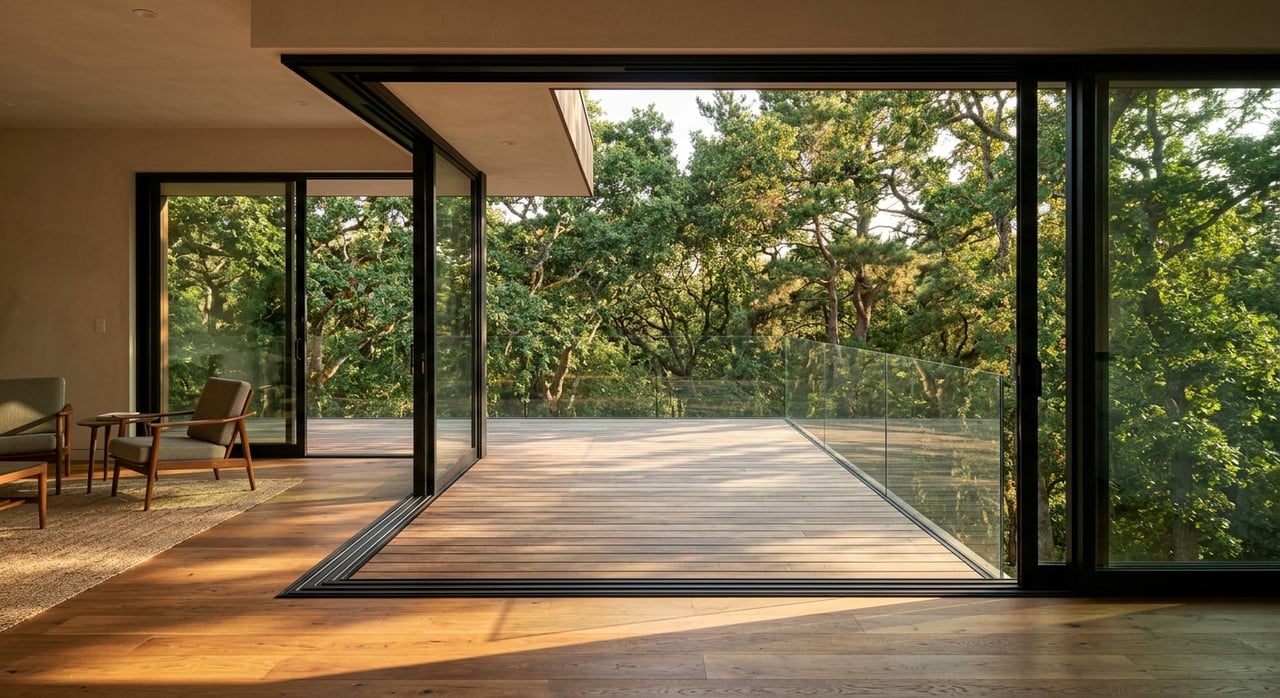
A sweeping view can be the feature that stops you in your tracks. In Saratoga, though, that same hillside panorama can also bring extra layers of review, maintenance, and planning. If you are thinking about buying a view property here, it helps to understand how slope, wildfire exposure, privacy rules, and permitting can affect both your purchase and your future plans. Let’s dive in.
Why Saratoga view properties need extra diligence
In Saratoga, the most dramatic views are often tied to foothill and hillside parcels rather than the flatter valley floor. According to the city’s General Plan Safety Element, landslides and slope instability are the city’s major non-seismic geologic hazards, with the most severe risks in the western hillside areas.
That does not mean a view property is automatically a poor fit. It means the parcel deserves close review before you fall in love with the vista. In practice, a view home in Saratoga is often also a slope, drainage, access, and long-term maintenance decision.
Start with the parcel, not the panorama
A common mistake is judging a property by the street or general area alone. Saratoga makes clear that view-home due diligence should happen at the parcel level, and the city provides maps for ridgelines, geology, and ground movement to support that review.
This matters because two nearby homes can have very different conditions. One lot may have manageable slope and straightforward access, while another may trigger added geotechnical review, design limits, or fire-related improvements.
Check boundaries, easements, and slope
Before removing contingencies, verify the legal and physical basics. Saratoga states that property boundaries are determined by a surveyor, easements can reduce net site area, and lots with average slope greater than 8 percent require slope determination by a surveyor. The city also notes that average slope above 10 percent reduces net site area for floor-area calculations, as explained on its Residential Development page.
If you are thinking about expanding, rebuilding, or adding outdoor features later, these details matter early. They can affect how much of the site is actually usable and what may be possible under current rules.
Understand ridgeline constraints
Ridgeline rules can shape what you can build and how visible future improvements may be. Saratoga’s Hillside Residential summary sheet says no structure shall extend to an elevation within eight feet of the nearest adjacent major ridge without dense tree cover, and no structure shall extend more than twelve feet above the nearest adjacent minor ridge without dense tree cover.
Because this is a summary sheet, parcel-specific code review is still important. If your purchase decision depends on future remodeling or expansion potential, it is wise to evaluate those limits before you commit.
Know when geotechnical review may apply
Hillside beauty often comes with subsurface questions. Saratoga requires geotechnical clearance for new structures, additions, and basements in hazard areas, and the city identifies hillside lots as landslide-potential areas and creek-adjacent areas as liquefaction-potential areas.
At the county level, Santa Clara County requires a site-specific geologic investigation in geologic hazard zones, prepared and signed by a certified engineering geologist. The county also requires disclosure when a property lies within a geologic hazard zone.
For you as a buyer, the takeaway is simple: if the home sits on a hillside or near a creek, budget time and money for deeper review. That step can help you better understand stability, drainage, and what future construction may involve.
Plan ahead for remodeling and design review
Many buyers of Saratoga view homes are not just purchasing a house. They are purchasing potential. If that is part of your strategy, local review rules should be part of your buying decision.
Saratoga treats many substantial home changes as design-review projects, including new houses, accessory structures over 250 square feet, additions over 50 percent, second-story additions of 100 square feet or more, footprint changes over 50 percent, and basement additions or expansions, according to the city’s Residential Development guidance.
Design standards can shape the final result
The city’s Single-Family Dwelling Objective Design Standards Checklist includes requirements that can directly affect view-oriented remodels. These include street-facing principal entrances, passive cooling on south-facing facades, minimum window area for habitable rooms, and nonreflective glazing, with reflective glazing prohibited.
That means design choices are not only about aesthetics. They are also about meeting site, orientation, and material standards that may influence how you update the home to capture light and views.
Privacy rules matter on view lots
View homes often sit above or beside neighboring properties, which makes privacy especially important. Saratoga requires upper-story balconies, roof decks, and other habitable outdoor spaces to stay five feet clear of the setback line abutting an R-1 district and to include an opaque wall at least four feet high.
The same design standards checklist also says upper-story windows near side or rear setbacks must be angled, have a 42-inch sill height, or use permanently translucent or frosted glazing. If your dream plan includes a new deck or a reworked second story, these are details to review early.
Trees can affect your view and your plans
Mature trees are part of what makes many Saratoga properties feel established and private. They can also become a major factor in construction planning.
Saratoga requires arborist review and a report when construction is proposed under or within five feet of the canopy dripline of a protected tree, including trees on adjacent properties. The city also says work near protected trees can require an encroachment permit if the root zone is affected, as outlined on the Residential Development page.
For buyers, this can be a hidden constraint. A tree may frame the view beautifully while also limiting where you can build, grade, or place hardscape.
Evaluate wildfire exposure and hardening needs
In Saratoga, wildfire risk is a key part of hillside ownership. The city notes that the Wildland Urban Interface predominantly covers the western hillsides, and Saratoga is one of the Santa Clara County communities with Very High Fire Hazard Severity zones, according to its Fire Prevention resources.
If the property falls within the WUI or another fire hazard severity zone, your diligence should go beyond standard home condition questions. You will want to understand current vegetation management, emergency access, and whether the house has already been hardened against wildfire exposure.
Focus on roofs, windows, and defensible space
Saratoga emphasizes that roofs and windows are especially vulnerable parts of a structure during wildfire. The city’s fire-prevention guidance highlights defensible space, vegetation reduction, emergency access, and structure-hardening measures such as Class A roofs and multi-pane tempered-glass windows.
That makes these items worth careful attention during inspections. A beautiful view is important, but so is understanding whether the property’s materials and maintenance match the realities of hillside fire exposure.
Access and private roads deserve a closer look
Some Saratoga view properties depend on private roads or private street segments. That can affect both daily convenience and long-term ownership costs.
The city’s Engineering Division reviews plans and geology but does not perform engineering or maintenance work on private streets. Saratoga also notes through its Fire Prevention guidance that homes in the WUI should be accessible to emergency responders.
If a property relies on a private road, ask detailed questions about maintenance responsibility, current condition, drainage, and access during emergencies. This is one of those practical issues that may not be obvious during a short showing.
Outdoor living needs site-specific planning
A Saratoga view property often shines because of its terraces, decks, patios, and indoor-outdoor flow. Still, outdoor upgrades on hillside sites are rarely simple.
The city’s design standards note that landscaping must align with water-efficient planting, tree regulations, stormwater strategies, and, in the WUI, a five-foot nonflammable buffer. The same checklist also says permeable paving is not permitted on slopes greater than 2 percent or near certain wet areas or foundations unless protective measures are used.
If you picture reworking patios, adding hardscape, or improving the pool and garden areas, it is smart to assess grading and drainage with the same seriousness as the home itself.
A smart buyer checklist for Saratoga views
Before you move forward on a Saratoga view property, make sure you have clear answers to the essentials:
- Confirm zoning, boundaries, easements, slope, and ridgeline status before removing contingencies.
- Check whether the parcel is in the WUI or in a Moderate, High, or Very High Fire Hazard Severity Zone.
- If the property is on a hillside or near a creek, prepare for geotechnical review and possibly county geologic review.
- Review whether your future plans, such as decks, glazing changes, grading, tree work, or a major remodel, are likely to trigger city review.
- Ask about private-road maintenance, access, and emergency reach if the home is not served entirely by public streets.
- Evaluate roof material, window condition, vegetation management, and defensible-space upkeep as part of your inspection strategy.
A great view can absolutely be worth it. The key is knowing what comes with it so you can make a confident, informed decision.
If you are weighing a Saratoga hillside purchase, need help evaluating remodeling potential, or want discreet guidance on a view property search, Stilla Raissi offers a highly tailored, data-driven approach that helps you look beyond the scenery and assess the asset clearly.
FAQs
What should you check before buying a view property in Saratoga?
- You should confirm parcel boundaries, easements, slope, ridgeline status, fire-zone location, access, and whether future remodel plans may trigger design, arborist, or geotechnical review.
Do Saratoga hillside homes require geotechnical review?
- Saratoga requires geotechnical clearance for new structures, additions, and basements in hazard areas, and hillside lots are specifically identified as landslide-potential areas.
Are wildfire rules important for Saratoga view homes?
- Yes. Many western hillside properties are in the Wildland Urban Interface, where defensible space, vegetation management, emergency access, and structure hardening are especially important.
Can trees limit what you do with a Saratoga view property?
- Yes. Protected trees can trigger arborist review, and work near the canopy dripline or root zone may affect where you can build, grade, or install hardscape.
Do private roads matter when buying a Saratoga hillside home?
- Yes. The city does not maintain private streets, so you should separately review maintenance responsibility, road condition, drainage, and emergency access.