
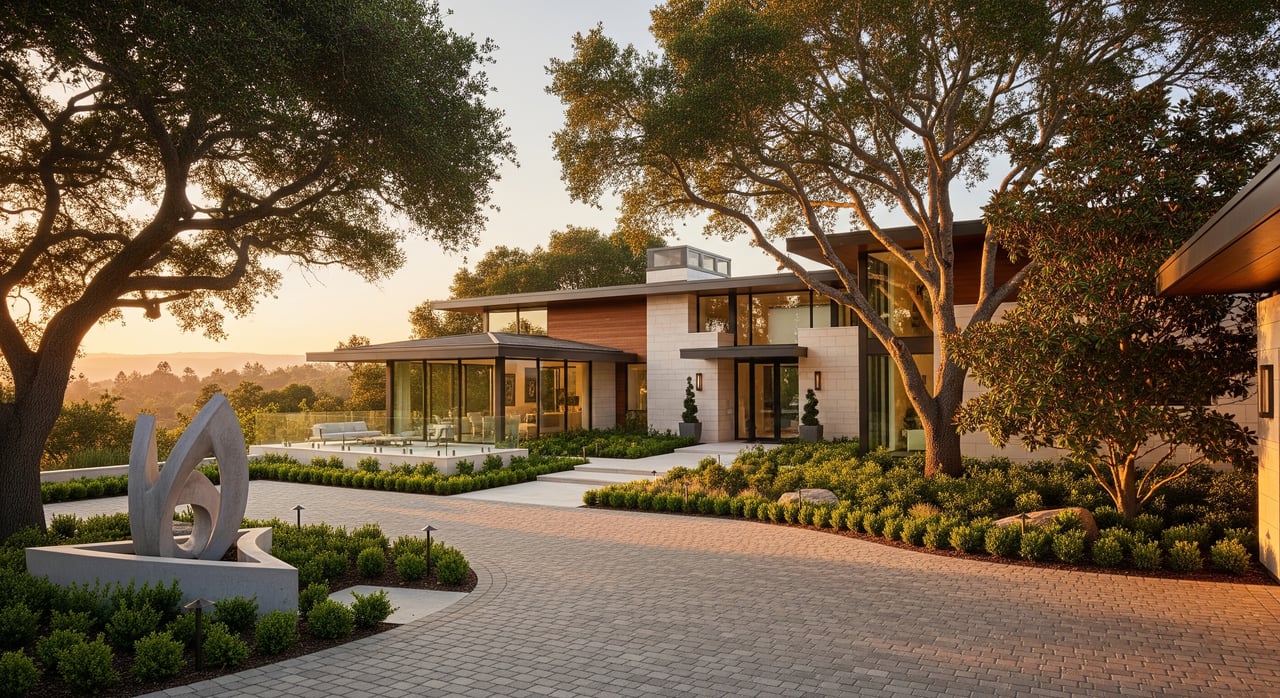
Are you trying to zero in on the Palo Alto neighborhoods that truly deliver a luxury experience? With so many micro-areas, it can be hard to know where to focus your time and budget. You want the right mix of location, privacy, design quality and day-to-day ease. This guide breaks down the city’s most sought-after enclaves so you can match your priorities to the right streets. Let’s dive in.
What luxury means in Palo Alto
Palo Alto is one of the highest-priced home markets in the U.S., thanks to proximity to Stanford and major tech hubs. Luxury here usually means single-family homes in prime locations with substantial lots, refined finishes or architectural significance. Many properties sell well above the city median, from mid single-digit millions into the double-digit millions for large estates, depending on the market. Pricing moves quickly, so verify current comps before you act.
Across luxury neighborhoods, demand is shaped by access to Palo Alto Unified School District, short commutes to Stanford and nearby campuses, lot size and privacy, and the appeal of historic or architect-designed homes. Block-by-block differences matter, from walkability to school assignments and lot sizes.
Top luxury enclaves to know
Old Palo Alto
Old Palo Alto offers early 20th-century streets with mature trees and period architecture, from Craftsman to Colonial Revival. Many lots range from about 6,000 to 12,000 square feet, with some larger parcels sprinkled in. Walkability can be excellent on certain blocks, with access to cafes, services and Stanford-area amenities. Families value PAUSD access, and buyers here tend to prioritize historic charm with convenient proximity to downtown and Stanford.
Professorville
Professorville is a historic district known for early 1900s homes with Queen Anne, Craftsman and Prairie School influences. Lots are modest to moderate, often in the 6,000 to 10,000 square foot range. It scores high on walkability to downtown and parks, with a strong neighborhood identity and preservation ethos. Renovators and character-focused buyers are common, and proximity to amenities adds to the draw.
Crescent Park
Crescent Park is among Palo Alto’s most prestigious interior neighborhoods. Expect formal streets, high privacy and many architect-designed homes on deep, landscaped parcels that can reach 10,000 to 30,000 square feet or more. Walkability varies by block, but many streets feel tranquil and residential while keeping access to Stanford and central corridors. Buyers seek estate-scale lots, privacy and standout design, with pricing at the high end of the city’s range.
Downtown and California Avenue pockets
Near University Avenue and California Avenue, you will find urban-core single-family pockets mixed with luxury condos and townhomes. Lot sizes are smaller, but walkability is exceptional, with restaurants, shops and Caltrain close by. Executives who want a low-maintenance, lock-and-go lifestyle gravitate here. Single-family homes near the core command a premium for location, and newer luxury condos and townhomes offer modern amenities.
Charleston Meadows and Midtown
These residential pockets balance family-friendly streets with reasonable access to central Palo Alto. Lots are often 7,000 to 12,000 square feet, giving you yard space without sacrificing location. Walkability is moderate, with parks, schools and shops a short drive away. It is a strong move-up segment for buyers looking for space, schools and daily convenience.
Green Gables and Barron Park
In south and southwest Palo Alto, these areas provide leafy streets and a more suburban feel. Many parcels are generous, including some that exceed a quarter acre. Walkability trends lower to moderate, but you gain privacy, larger yards and proximity to open space and trails. Executive buyers seeking room to breathe often include these neighborhoods on their short lists.
Palo Alto Hills and Foothills
For privacy, acreage and views, the hillside areas deliver a retreat-like setting. Parcels often range from a half acre to more than two acres, with custom contemporary and ranch-style estates. Walkability is low and you will rely on a car, with hillside roads and steeper topography. Consider geotechnical, fire and access factors when evaluating these properties, and expect premiums for land and views.
Match priorities to the right area
- Walkability and urban lifestyle
- Consider Downtown pockets, Old Palo Alto, Professorville and parts of Crescent Park near Stanford.
- Historic character and architectural detail
- Consider Professorville, Old Palo Alto and select downtown-adjacent streets.
- Estate lots, privacy and acreage
- Consider Crescent Park’s interior streets and Palo Alto Hills or Foothills.
- Access to public schools
- Many luxury neighborhoods feed into PAUSD; verify block-level assignments for any address.
- Short commute to Stanford and tech hubs
- Consider Crescent Park, Old Palo Alto and downtown areas for the most direct access.
- Modern, architect-designed luxury
- Consider Crescent Park, Palo Alto Hills and renovated pockets across the city.
Key regulations and risks to know
Buying or building in Palo Alto benefits from careful planning. Keep these topics on your checklist:
- Zoning and FAR: Single-family zoning controls setbacks, lot coverage and floor area; confirm specifics for your parcel.
- Historic districts and preservation: Some areas restrict exterior changes or demolition. Verify any designations early.
- ADUs and second units: State law has expanded ADU options, but lot coverage, setbacks, parking and design standards still apply locally.
- Geology and wildfire: Hillside or large-lot homes may require geotechnical review and have wildfire or landslide exposure. Confirm hazard maps and reports.
- Utilities and sewer: Palo Alto generally uses municipal utilities. For large remodels, confirm sewer capacity and stormwater requirements.
- Property taxes and assessments: Expect the county’s base levy plus voter-approved parcel taxes and assessments. Validate actual figures with county records.
- HOA and CC&Rs: Some enclaves have rules that affect remodels, rentals or exterior changes.
- Trees and landscape: Mature trees may be protected. Check rules before removal or significant work.
Smart buyer due diligence checklist
Use this list during your initial evaluation and before you write an offer:
- Verify school boundaries for the address through PAUSD.
- Pull recent neighborhood comps matched by lot size and home type; note days on market and price per square foot.
- Confirm zoning, FAR and setbacks. Identify any unpermitted work.
- Check for historic district or landmark status that could limit exterior changes.
- Review property tax history and parcel assessments with the county.
- Order geotechnical and hazard reports for hillside or view parcels; review wildfire, landslide and flood exposure.
- Confirm utility connections, sewer capacity and stormwater rules for planned additions or pools.
- Review HOA documents and CC&Rs if applicable.
- Walk and drive the area at different times to understand traffic, noise and daily patterns.
- Verify title, easements and any access issues.
Your next steps
Start by clarifying your top three priorities, such as walkability, lot size or privacy. Shortlist three to five neighborhoods that fit, then tour them on weekdays and weekends to feel traffic patterns, light and noise. As you narrow in, confirm school boundaries, zoning and any historic constraints for the specific blocks you like. If a new build or major renovation is on your radar, map out entitlement, design and construction timelines before you commit.
When you want a discreet, data-guided search with design-forward insight and access to private opportunities, connect with Stilla Raissi. You will get a tailored plan, a refined short list and principal-level guidance from first tour to closing.
FAQs
What defines a luxury home in Palo Alto?
- In this market, luxury typically means prime-location single-family homes with larger lots, high-end finishes or architectural significance, often priced well above the city median.
Which Palo Alto neighborhoods are most walkable for luxury buyers?
- Downtown pockets, Old Palo Alto and Professorville score high on walkability, with parts of Crescent Park near Stanford offering a good blend of access and privacy.
Where can I find larger estate lots in Palo Alto?
- Crescent Park’s interior streets and the Palo Alto Hills or Foothills areas offer the largest parcels, with some lots extending to an acre or more in hillside settings.
How close are these areas to Stanford and major tech campuses?
- Crescent Park, Old Palo Alto and downtown-adjacent streets offer short commutes to Stanford and central tech corridors, with many drives in the 10 to 25 minute range depending on traffic.
What due diligence should I do before making an offer?
- Verify school boundaries, pull current comps, confirm zoning and historic status, review tax and parcel assessments, and check geotechnical, hazard and utility details for your plans.
Are there restrictions on remodeling historic homes in Palo Alto?
- Yes, historic districts and landmarks can limit exterior changes or demolition, so confirm designations with the city before assuming a straightforward remodel.