
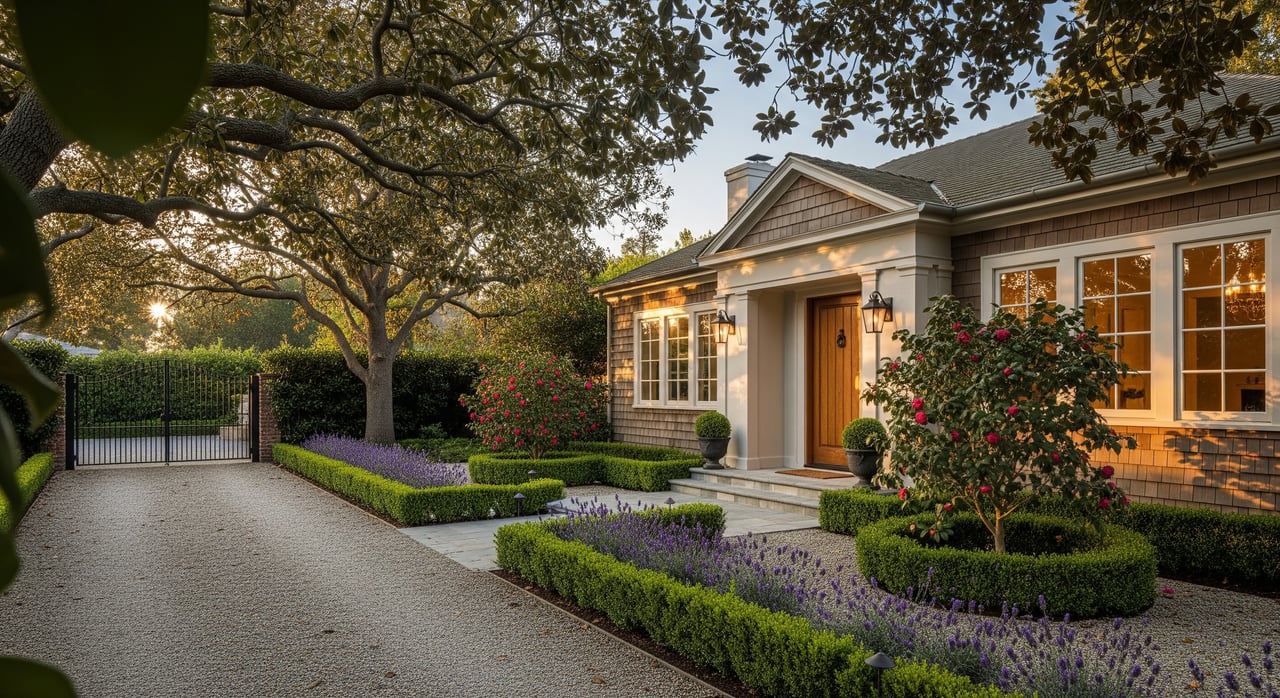
Ever wonder what daily life feels like on quiet, tree-lined streets where a village-style downtown, Stanford, and Sand Hill Road are all minutes away? If you are exploring a move to the Peninsula, you want a clear picture of commute realities, neighborhood “feel,” and how those choices shape your home search. In this guide, you’ll learn how Menlo Park’s leafy pockets differ, where people dine and unwind, and how quality-of-life tradeoffs connect to housing. Let’s dive in.
Menlo Park at a glance
Menlo Park is a small Peninsula city tucked between Redwood City, Palo Alto, and East Palo Alto. Its identity is closely tied to Stanford University, the Stanford Research Park, and the Sand Hill Road venture capital corridor. These economic anchors drive demand for nearby housing and support high-end services across dining, retail, and hospitality.
Housing here is among the priciest in the country. Single-family homes often sell in the multi-million-dollar range, with condos and apartments offering relatively lower entry points. Limited land and steady demand help keep prices elevated over time.
Neighborhoods and their feel
Downtown & Santa Cruz Avenue
Downtown centers on Santa Cruz Avenue, a walkable stretch of boutiques, cafés, bakeries, and small businesses. Mature street trees and a classic small-town core make it an easy place to stroll. Nearby housing includes older single-family homes on smaller lots, bungalows, and some condos or townhomes close to shops and the Caltrain station.
Allied Arts, The Willows, Old Menlo
These north-central pockets feel quiet and residential, with mature trees and period architecture like Craftsman and early 20th-century homes. Many properties are older and attract buyers who enjoy character and renovation potential. You get a calm, leafy vibe while staying close to downtown.
Sharon Heights, Sharon Park, Stanford Hills
Set on Menlo Park’s southwest side, this area reads more suburban and private. Lots can be larger, with mid-century and newer homes and some gated or semi-gated enclaves. It appeals if you want space, privacy, and quick access to Sand Hill Road and Stanford.
Bayfront and northeastern edges
Closer to the Bay, streets open up to marsh views, breezes, and access to the Bay Trail. The feel is more about open space and recreation than dense retail. Housing here can include newer infill, mid-size homes, and apartment communities.
Belle Haven and the east side
Belle Haven offers a more urban character and a higher share of rental and multifamily housing. It has seen attention in planning and community development discussions around equity and affordability. The area’s housing mix and services reflect a different neighborhood story than western Menlo Park.
Parks, trees, and outdoor life
Menlo Park’s “leafy” reputation is real. The city’s urban-forest and tree-protection policies shape everything from street shade to the permitting steps you’ll take if you plan major landscaping. For daily life, the canopy softens summer heat, hushes traffic, and makes neighborhood walks more pleasant.
Outdoor options are a major plus. Locals head to bayfront marshlands and the Bay Trail for walking, running, birding, and sunset views. Neighborhood parks offer space for kids, dogs, and weekend picnics, so you can get outside without a long drive.
Dining and daily conveniences
Santa Cruz Avenue serves as Menlo Park’s boutique main street. You’ll find cafés for morning coffee, bakeries for a weekend treat, and sit-down restaurants that make it easy to meet friends after work. Along El Camino Real, you’ll see a broader mix of services, national chains, and convenience retail.
Near Sand Hill Road and the Stanford Research Park, hotels and restaurants cater to executives and visiting teams. The result is a concentration of polished dining options close to the office clusters many residents frequent.
Getting around
Roads and commute patterns
US‑101 and I‑280 are the main freeways. Peak-hour traffic can stack up on local arterials, especially near Sand Hill and the Stanford Research Park. Your travel time depends heavily on direction and time of day.
Caltrain and local shuttles
The Menlo Park Caltrain station sits downtown, giving you a direct rail option to San Francisco, San Jose, and points between. Schedules include local and express services, and many residents use Caltrain for a predictable commute. SamTrans buses and employer shuttles add more options for select routes.
Biking and walkability
Downtown is walkable, and many residential streets feel comfortable for daily walks. Bike lanes and the Bay Trail connect you to Palo Alto, Stanford, and other nearby hubs. If you prefer to pedal, you’ll find realistic routes for weekday commutes and weekend rides.
Airport access
Both San Francisco International (SFO) and San Jose Mineta (SJC) are viable, with SFO typically closer for many neighborhoods. Drive times vary with traffic, but having two major airports expands your flight choices.
How lifestyle connects to housing
Close to Stanford and Sand Hill
If your days center on Stanford, the Research Park, or Sand Hill Road, proximity is a premium feature. Homes near these corridors reduce commute friction and are often more competitive as a result.
Walkability vs. lot size
If you want to stroll to dinner, live music, or the Saturday coffee ritual, downtown-adjacent blocks offer that village feel. Expect smaller lots and older homes. For bigger yards, privacy, and a quieter suburban rhythm, Sharon Heights and nearby western pockets are strong fits, with a slightly longer trip to retail.
Tree-lined streets and renovation
Character homes and mature trees are part of Menlo Park’s appeal. If you plan to remodel or add outdoor amenities, factor in tree-protection rules and local permitting. Early planning helps you preserve what makes the property special and stay on timeline.
Housing types and who lives here
You’ll see a wide range: single-family homes dominate many leafy streets, with condos and townhomes nearer downtown and more apartments in certain edges. Residents include families, executives tied to tech and venture hubs, Stanford affiliates, and service professionals. Neighborhoods vary, which is why on-the-ground touring is so helpful.
A day in the leafy lanes
Start with a walk under the canopy toward Santa Cruz Avenue for coffee and a pastry. Midday, hop on a bike path toward Stanford or the Bay Trail to clear your head between meetings. Wrap up with dinner downtown or a quiet evening under the oaks in your own backyard. Life here balances access and calm, which is why so many residents choose to put down roots.
Is Menlo Park right for you?
Choose downtown or the north-central neighborhoods if you crave walkability and classic architecture. Lean toward Sharon Heights if you value space, privacy, and an easy jump to Sand Hill. Look to the bayfront edges if open vistas and trail access top your list. Wherever you land, the city’s canopy, parks, and proximity to major employers help your weeks run smoothly.
If you’re weighing lifestyle tradeoffs or planning a remodel-ready purchase, you deserve discreet, data-informed guidance. For a private strategy session tailored to your goals, connect with Stilla Raissi.
FAQs
How walkable is Menlo Park’s downtown?
- Santa Cruz Avenue and the blocks around the Caltrain station are very walkable, with cafés, restaurants, and shops clustered along a pedestrian-friendly core.
What are typical commute options from Menlo Park?
- You can drive via US‑101 or I‑280, ride Caltrain directly to San Francisco and San Jose, or use employer shuttles and local buses; travel times vary by time of day.
Is biking realistic for local errands and work?
- Yes. Bike lanes and access to the Bay Trail make short rides to Stanford, Palo Alto, and nearby hubs common for both recreation and commuting.
Where are larger lots and more privacy available?
- Sharon Heights and nearby western pockets often feature larger parcels and a more suburban setting compared with downtown-adjacent neighborhoods.
How do trees affect home projects in Menlo Park?
- The city’s urban-forest and tree-protection policies may require permits or special steps for major landscape changes; plan ahead if you expect to remodel or add hardscape.